Years ago, I made this YouTube video without a clue about Taoism. Rewatching it now, I’m experiencing a completely different perspective. I’d also like to share some thoughts on Won-Hyo’s teachings and how they apply to daily life. Enjoy your LIFE!!
The Power of Inner Landscape: Cultivating Peace with Won-Hyo’s Teachings
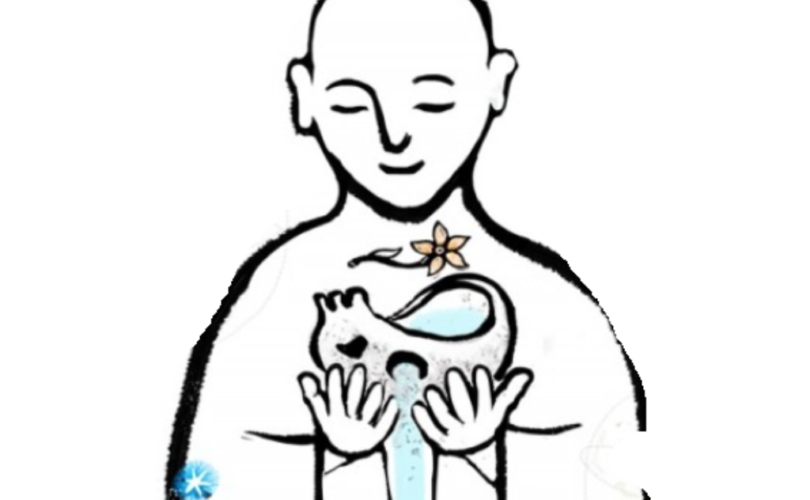
we explore the profound insights of Won-Hyo, a Korean monk who offered a revolutionary perspective on human experience. He proposes that our emotions and perceptions originate within us, not solely from external stimuli. This lecture will delve into Won-Hyo’s teachings and explore practical methods to cultivate inner peace and wisdom.
The Mind Shapes Our Reality:
- The Architect of Experience: Won-Hyo highlights the mind’s role in shaping our reality. Our thoughts, beliefs, and interpretations color our emotional responses to the world.
- Neutral Events: External circumstances themselves hold no inherent meaning. It’s our minds that assign value and generate emotions based on our interpretations.
Finding Inner Peace:
- Transforming Within: Understanding this principle allows us to cultivate inner peace and resilience. By focusing on transforming our internal landscape, we can better manage our emotional well-being.
Practices for Inner Transformation:
- Mindfulness and Meditation:
- Focused Awareness: Directing attention to the present moment without judgment allows us to observe the workings of our mind and emotions.
- Mindfulness of Breath: This classic technique helps anchor the mind and reduce mental chatter.
- Loving-Kindness Meditation: Cultivating compassion and goodwill towards ourselves and others fosters a positive inner world.
- Self-Inquiry:
- Challenging Assumptions: Regularly question our beliefs and perceptions. Are they based on reality or habitual patterns?
- Journaling: Writing down our thoughts and feelings can bring clarity and identify recurring patterns.
- Mindful Observation: Observe our emotional reactions to external events. Where do these emotions originate?
- Embracing Impermanence:
- Letting Go: Attachment to temporary things can lead to suffering. Understanding impermanence helps us detach and experience greater peace.
- Acceptance: Cultivating acceptance for what is can bring inner peace and resilience.
- Living in the Moment: Focusing on the present allows us to appreciate life’s fleeting beauty.
- Cultivating Wisdom:
- Exploring Buddhist Texts: Engaging with philosophy deepens understanding of the mind and reality.
- Meaningful Discussions: Conversations about spiritual topics offer new perspectives.
- Contemplation: Quiet reflection facilitates personal growth and insights.
Integrating Won-Hyo’s Wisdom into Daily Life:
- Mindfulness in Action:
- Mindful Eating: Focusing on sensory details of food grounds us in the present moment.
- Mindful Walking: Paying attention to our steps and surroundings brings awareness to the present.
- Mindful Communication: Active listening and thoughtful responding foster deeper connections.
- Emotional Awareness and Management:
- Observing Thoughts: Notice when our minds wander or get caught up in negativity.
- Challenging Negative Thinking: Question the validity of negative thoughts and replace them with more positive or neutral ones.
- Self-Compassion: Treat ourselves with kindness and understanding, especially during difficult times.
- Cultivating Inner Peace:
- Creating a Calming Space: Designate a quiet area for meditation or relaxation.
- Short Mindfulness Breaks: Even a few minutes of focused breathing can reduce stress.
- Connecting with Nature: Spending time outdoors fosters a sense of peace and connection.
- Nurturing Wisdom and Growth
- Reading and Reflecting: Explore philosophical and spiritual texts to deepen your understanding.
- Meaningful Connections: Engage in discussions about life, values, and spirituality with others.
- Gratitude Practice: Focus on appreciating positive aspects of life
Conclusion:
Won-Hyo’s teachings empower us to take responsibility for our emotional well-being by recognizing the mind’s role in shaping our reality. By practicing mindfulness, self-inquiry, and cultivating wisdom, we can harness the power within to cultivate inner peace and navigate life with greater resilience. Remember, this is a journey, not a destination. Be patient, start small, and celebrate your progress.