While reading Beyond Stoicism by Massimo Pigliucci, I expected to deepen my understanding of Stoic philosophy. However, I found myself unexpectedly drawn to a different school of thought: Cynicism. It is a philosophy that feels uncomfortable and provocative, yet I believe it is deeply relevant to our modern lives.
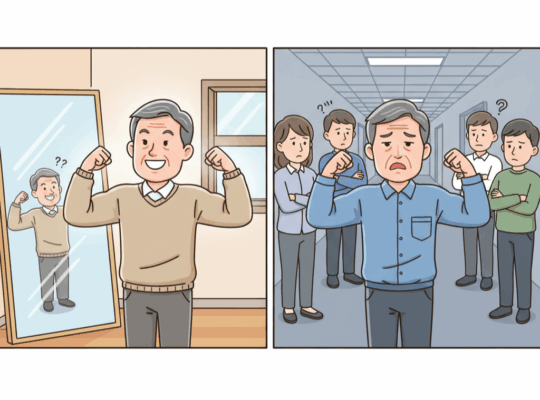
To understand this, we must first correct a misunderstanding. Today, when we use the word “cynicism,” we usually mean sarcasm, negativity, or a lack of trust in others. But ancient Cynicism was never about negativity. It was about freedom. The ancient Cynics believed that many human miseries come not from nature, but from harmful “social conventions”—the invisible rules we follow simply because “that is how things are done.” Once you see this, it becomes impossible to unsee the invisible cages society builds around us.
Consider how many actions we take every day without questioning them. We chase job titles we do not enjoy, we buy things to impress people we do not like, and we stay silent to avoid discomfort. We live lives that look successful on the outside but feel empty on the inside. The Cynics would argue that none of these burdens are required by nature; they are only required by social agreement. Society convinces us that these rules are for our protection, but often, they are merely traps.
Figures like Diogenes lived radically simple lives, but their goal was not rebellion for the sake of rebellion. When Alexander the Great offered him anything he desired, Diogenes simply asked him
“Step aside and stop blocking the sunlight”
This wasn’t rudeness—it was a demonstration. What the most powerful man in the world could offer meant nothing compared to what nature freely provided. Through such acts, the Cynics exposed the artificial nature of social hierarchies and asked uncomfortable questions: Why do we need wealth to be respected? Why is poverty considered shameful? Why do we confuse reputation with virtue? To the Cynics, a good life was not about fitting in. It was about living honestly, according to nature rather than convention.
This message matters today more than ever. We live in a world saturated with social signals—likes, followers, career rankings, and rigid timelines for success. While these conventions are not necessarily evil, they can be quietly harmful. They tell us what we should want before we have asked ourselves what truly matters. Cynicism reminds us of a vital truth: just because something is “normal” does not mean it is “natural.”
However, it is important to clarify that Cynicism is not anti-society. It does not teach us to reject people or avoid responsibility. Instead, it teaches us to reject unexamined obedience. A Cynic asks, “Is this rule helping me live truthfully, or is it just helping the system run smoothly?” We must recognize that sometimes, those two things are not the same.
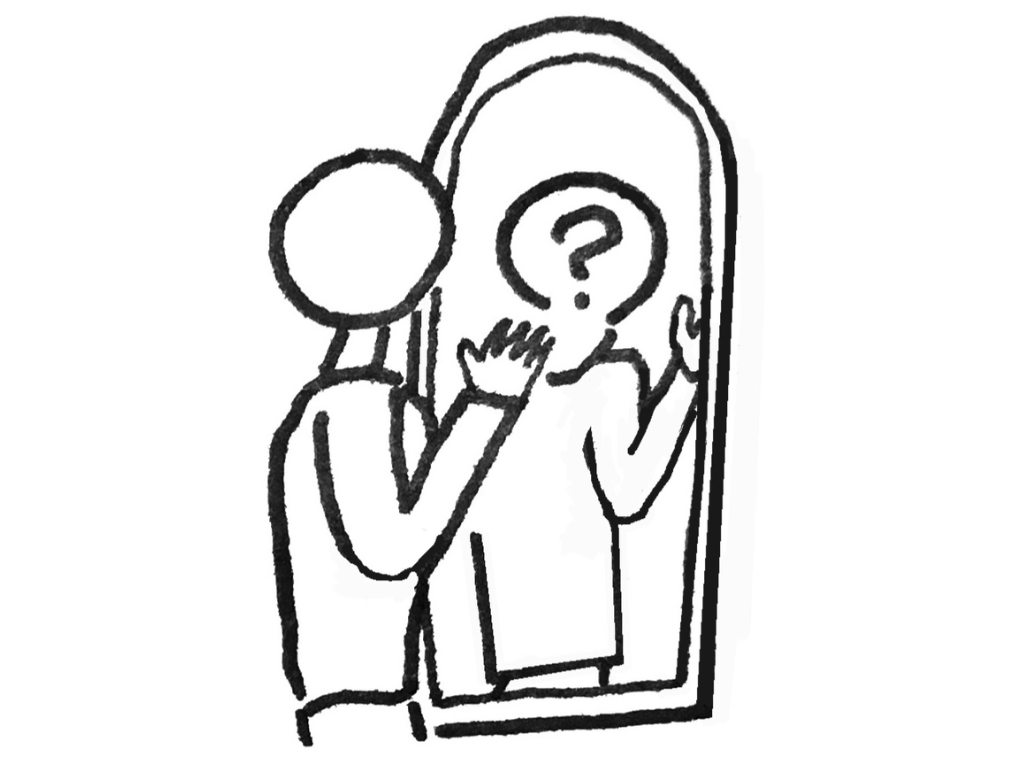
This tension between authenticity and social expectation is something I have felt deeply throughout my life. As an immigrant, an engineer, a psychology student, and a parent, I have often struggled with the gap between who I am and who society expects me to be. Cynicism gave me the language to understand that tension. It didn’t give me orders on what to do, but it gave me permission to ask questions. Do I actually need this? Who benefits if I keep believing this? What would my life look like if I removed one unnecessary convention?
Cynicism is not loud. It does not try to persuade; it simply reveals. It strips life down to its essentials and asks us to rebuild it honestly. Perhaps that is why it feels threatening to some. Because once you see that many of society’s rules are optional, you can no longer pretend that you had no choice.
We often look to Stoicism to learn how to endure the world. But Cynicism asks a different question: Are the conventions we are enduring worth following? Perhaps a truly meaningful life requires the balance of both—the calm endurance of Stoicism, and the courageous questioning of Cynicism.